

Reiki
Reiki is a gentle, hands-on healing practice where practitioners channel universal life force energy to support balance across body, mind, emotions, and spirit.
Overview
At its heart, Reiki practitioners understand their work as facilitating connection with rei (God's wisdom or universal consciousness) and ki (vital life force energy)—the same energy known as chi in Chinese medicine, prana in yoga, or Holy Spirit in Christian traditions. This energy exists everywhere, gives life to all living beings, and possesses its own intelligence. When someone's life force energy runs low or becomes blocked, they're more vulnerable to illness, stress, and emotional imbalance. When energy flows freely and abundantly, the body's innate healing capacity functions optimally.
Reiki training progresses through levels that permanently open your ability to channel this energy. Level I opens your energy channels through attunements and teaches self-healing. Level II introduces sacred symbols for mental/emotional healing and distance work. Level III/Master brings advanced spiritual development, and Master Teacher level enables teaching others. Once attuned, your ability lasts your lifetime and never diminishes. Multiple lineages exist today—traditional Usui Reiki, Holy Fire® Reiki, Karuna Reiki®, and others—each with slightly different symbols and techniques, yet all share the core principle of channeling universal healing energy.
The practice adapts to diverse spiritual frameworks: Christians understand it as channeling God's healing love, Muslims as divine mercy, atheists as natural life force—all successfully practice Reiki by interpreting the universal energy through their own beliefs. Practitioners emphasize Reiki complements conventional medical care, never replacing it. We cannot diagnose conditions or cure diseases by itself, but work alongside healthcare providers to support the body's natural healing capacity and address the whole person—not just isolated symptoms.
From practitioner understanding, Reiki works through the human energy body—the electromagnetic field (aura), energy pathways (meridians), and spinning energy centers (chakras) that interpenetrate and surround the physical body. When energy flows freely through this system, physical health, emotional balance, and spiritual connection flourish. When energy becomes blocked or stagnant—often from stress, trauma, negative thought patterns, or illness—dis-ease manifests.
The seven main chakras act as transformers, each corresponding to specific body systems, emotions, and consciousness aspects. The root chakra governs survival and grounding, the sacral chakra creativity and emotions, the solar plexus personal power, the heart chakra love and compassion, the throat chakra communication, the third eye intuition, and the crown chakra spiritual connection. Practitioners place hands at these key energy centers, allowing Reiki to clear blockages, balance energy flow, and restore homeostasis.
Current scientific research suggests Reiki activates the parasympathetic nervous system—your body's "rest and digest" mode. Multiple studies measuring heart rate, blood pressure, heart rate variability, and cortisol levels show objective physiological changes consistent with deep relaxation response. When the parasympathetic system activates, inflammation decreases, immune function strengthens, emotional regulation improves, and natural healing mechanisms optimize. A landmark 2004 study in the Journal of Alternative and Complementary Medicine demonstrated significant increases in cardiac vagal tone and decreases in heart rate and blood pressure during Reiki sessions compared to placebo.
Beyond measurable physiology, practitioners describe Reiki as creating a healing state—a threshold consciousness where body, mind, and spirit align. In this deeply relaxed yet aware state, stuck emotions surface for release, old patterns dissolve, and inner wisdom emerges. The energy works on subtle levels first, gradually filtering down to physical manifestation. Many clients report Reiki reveals root causes of symptoms rather than just treating surface issues.
Stories
See what others discovered through Reiki—real stories, real insights.
Do you have a healing story with Reiki?
A Typical Session
A Reiki session unfolds as a wonderfully passive experience of deep rest and restoration. You arrive at a peaceful setting with soft lighting and ambient music, greeted by your practitioner who spends 10-15 minutes discussing your intentions and any health considerations. After explaining what will happen, you lie fully clothed on a comfortable massage table (wearing loose, comfortable clothing you've chosen), with blankets available for warmth.
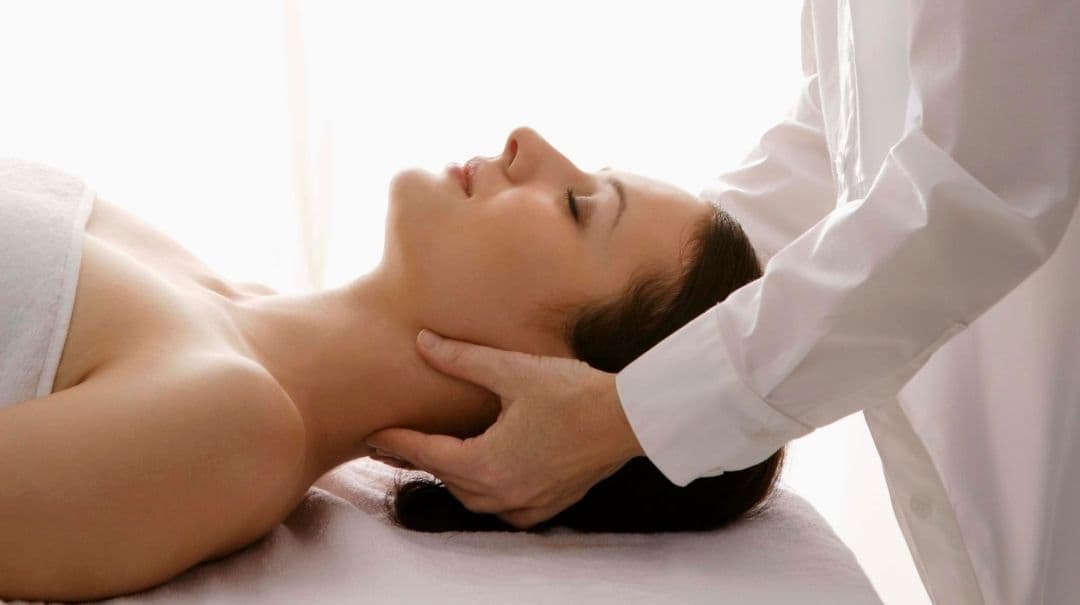
The practitioner places their hands lightly on or hovering 2-4 inches above your body in a series of 12-15 standard hand positions, holding each for 3-10 minutes—starting at your head or feet and moving systematically to cover your entire body. You simply rest with eyes closed, breathing naturally, allowing whatever wants to happen. Many people fall asleep; some feel warmth, tingling, or energy movement; others see colors or have emotional releases; some feel pleasantly relaxed without dramatic sensations.
Sessions typically last 60-90 minutes, ending with time to slowly return to waking awareness and optionally share what you experienced. Practitioners may report where they felt strongest energy flow or heat in their hands, though they never diagnose. You leave feeling however your system most needed—energized or deeply relaxed, clear-headed or peacefully spacious, lighter in body and spirit.
The experience varies person to person and session to session, with no "correct" response. Different practitioners bring various approaches depending on their lineage (Usui, Holy Fire, Karuna, etc.), experience level, and whether they integrate other modalities like crystals or sound. Distance Reiki sessions deliver the same energy remotely—you rest comfortably at home at a scheduled time while your practitioner works from their location.
Preparation enhances receptivity though Reiki works regardless. In the 24 hours before your session, hydrate well—drink plenty of water to support energy flow and prepare for post-session detoxification. Avoid heavy meals 2-3 hours beforehand; light eating is fine. Minimize or eliminate caffeine, alcohol, and sugar at least 3 hours prior, as these affect energy system sensitivity. Wear loose, comfortable clothing you'll remain in throughout the session—nothing restrictive.
Set intentions for what you'd like to address or release. Write them down if helpful, though you needn't share every detail with your practitioner. The Reiki itself, guided by higher intelligence, knows what needs attention. Spend 30 minutes before your appointment in quiet reflection, checking in with your body and emotions without judgment. Notice what's present: Where do you feel tense? What emotions linger? What would feeling balanced look like?
Practical matters: Use the restroom before sessions begin, turn phones to "do not disturb," and avoid scheduling demanding activities immediately afterward. Give yourself spaciousness—Reiki often continues working for hours post-session, and rushing into intense obligations diminishes integration. Consider this appointment sacred time for your wellbeing.
Mental preparation involves releasing expectations about what "should" happen. Approach with gentle curiosity rather than forcing outcomes. Whether you feel profound energy surges or peaceful nothingness, both are exactly right. Your body's wisdom determines what you need. Trust the process.
For distance sessions, create a quiet, comfortable space at home. Lie in bed or sit in your favorite chair with blankets, perhaps candles or crystals if desired. Ensure no interruptions during the scheduled time. Some practitioners offer video connection; others work without visual contact. Either way, the energy flows fully.

All things healing, here & now.
Sign up to get new inspiration, practices, and healing resources emailed to you.
Sign UpResources
Books & Tools
Websites
Articles & Media

Origins
The story of Reiki begins on a sacred mountain in Japan with a seeker's profound spiritual experience that transformed healing forever. Mikao Usui was born August 15, 1865, in Taniai village (now Miyama-cho) in Gifu Prefecture, Japan, to a wealthy family descended from samurai lineage. His father Uzaemon owned a successful business selling rice, grains, and other goods; the family practiced both Jodo Shu (Pure Land) and Tendai Buddhism. From age four, young Mikao attended temple school at the Buddhist Zendo-Ji monastery, receiving education in martial arts, swordsmanship, and Kiko (Japanese energy work similar to Chi Kung)—practices involving meditation, breathing, and laying on of hands for healing.
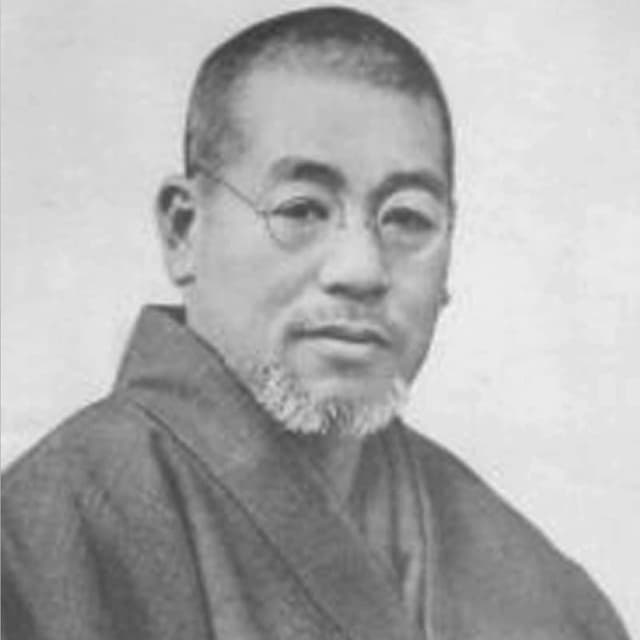
Throughout his life, Usui remained a dedicated student, studying history, medicine, Buddhism, Christianity, psychology, and Taoism. He traveled extensively—throughout Japan and possibly to China, Europe, and the Americas according to some accounts—holding various professions including reporter, secretary, missionary, public servant, and businessman. Around 1919, he began a three-year meditation retreat at a Zen temple in Kyoto, deepening his spiritual practice. Yet despite extensive study and practice, Usui sought something more: a direct experience of spiritual awakening and a healing method unattached to any specific religion, accessible to everyone regardless of faith or background.