SomaticBreathwork
Somatic Breathwork uses conscious connected breathing to release trauma stored in the nervous system, creating direct access to pre-verbal healing states through breath-activated somatic experiences.
Overview
Somatic Breathwork represents a revolutionary approach to healing that recognizes trauma lives in the body, not just the mind.
The breath serves as one of the most direct pathways to accessing and releasing stored trauma patterns that keep people stuck in cycles of anxiety, depression, and disconnection.
What makes somatic breathwork unique is the understanding that healing happens in "non-ordinary states of consciousness." Through circular breathing—continuous inhaling and exhaling without pauses—combined with evocative music and supportive touch, we create conditions where your body's innate healing intelligence can emerge. These aren't forced or manufactured experiences; they arise naturally when the nervous system feels safe enough to release what it's been holding.
Unlike traditional talk therapy that engages the thinking mind, somatic breathwork bypasses cognitive defenses to work directly with the autonomic nervous system—the part of you that controls fight, flight, freeze, and fawn responses.

Unlike yoga pranayama (which focuses on spiritual development) or Wim Hof breathing (which emphasizes physical resilience), Somatic Breathwork specifically targets trauma stored in the nervous system. We use conscious connected breathing combined with trauma-informed safety protocols to access and release emotional material held in the body, always emphasizing nervous system regulation over dramatic catharsis.
Stories
See what others discovered through Somatic Breathwork—real stories, real insights.
Do you have a healing story with Somatic Breathwork?
A Typical Session
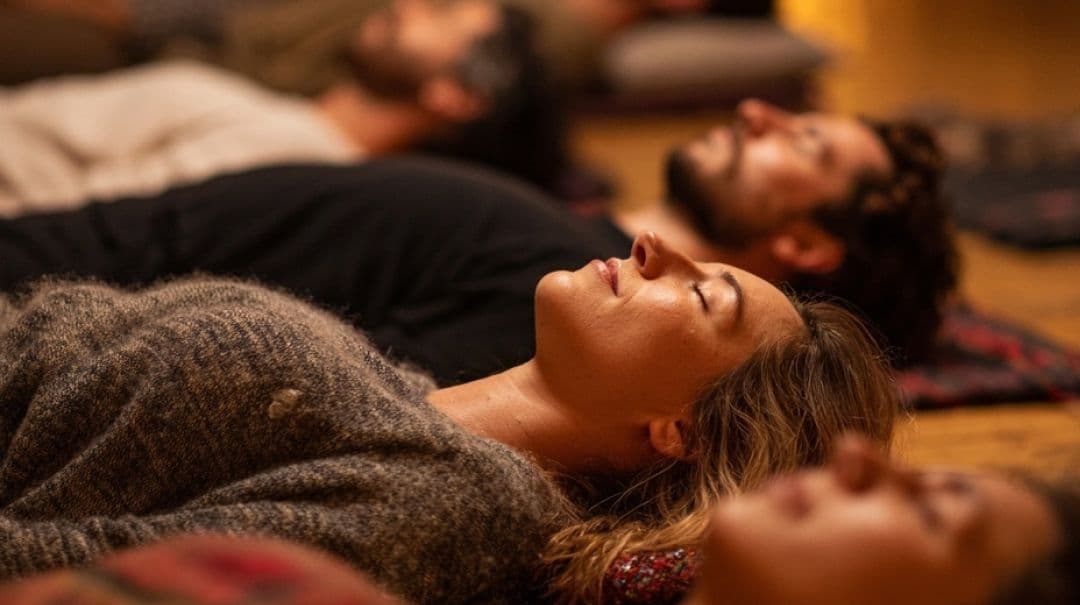
A Somatic Breathwork session creates a carefully held container for your nervous system to access healing states safely. You'll begin by settling into a comfortable environment with soft lighting, blankets, and cushions. Your practitioner conducts a thorough check-in about your physical and emotional state, explains the process, and helps you set a healing intention—not about achieving specific outcomes, but creating openness to your body's wisdom.
The active breathing phase typically lasts 30-45 minutes. Lying comfortably with eyes closed, you begin conscious connected breathing—continuous inhaling and exhaling without pauses. Your practitioner guides you to breathe slightly deeper and faster than normal, creating therapeutic activation. Carefully selected music supports your inner journey, designed to facilitate emotional release and expanded awareness.
Physical sensations commonly arise—tingling, temperature changes, energy movement, or emotional releases like tears, laughter, or spontaneous sounds. These represent your nervous system completing interrupted responses, which your practitioner supports without interpretation. The integration phase follows as your breathing naturally slows, allowing your parasympathetic system to create new patterns of regulation. Sessions conclude with grounding practices and specific guidance for ongoing integration.


Come well-hydrated but avoid heavy meals 2-3 hours beforehand. Wear comfortable, loose clothing that allows unrestricted breathing. Set a healing intention while remaining open to whatever emerges.
Avoid alcohol or recreational substances for 24 hours prior. Most importantly, arrive with trust in your body's innate healing wisdom rather than expectations about specific outcomes.
All things healing, here & now.
Sign up to get new inspiration, practices, and healing resources emailed to you.
Sign UpResources
Books & Tools
Websites
Articles & Media
Origins
Somatic Breathwork's origins trace back thousands of years through ancient yogic pranayama, shamanic breathing ceremonies, and indigenous healing traditions that recognized breath as the bridge between physical and spiritual dimensions. However, modern therapeutic applications emerged from a remarkable convergence of 20th-century pioneers who revolutionized our understanding of trauma, consciousness, and body-based healing.

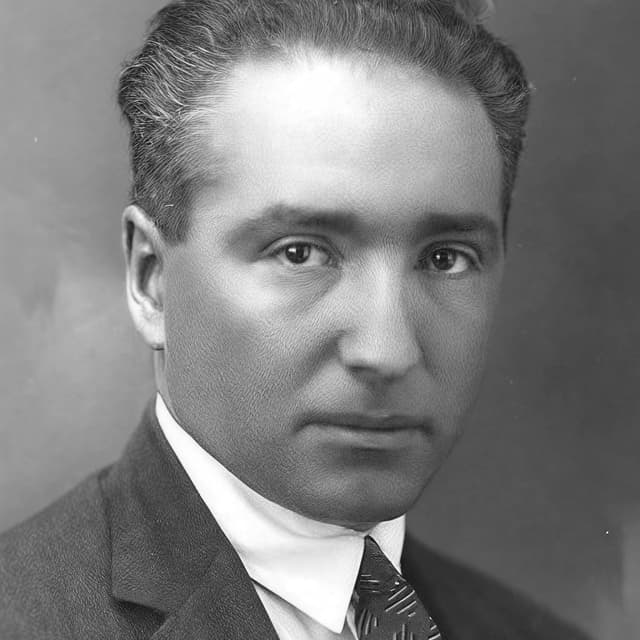
The foundational architect was Wilhelm Reich (1897-1957), originally Freud's student who discovered that psychological issues manifested as physical "armoring"—patterns of muscular tension locking traumatic experiences into the body. Reich's "vegetotherapy" included deep breathing exercises to release somatic holding, establishing that trauma lives in the body and requires body-based healing approaches rather than purely cognitive interventions.