

PSYCH-K
PSYCH-K uses muscle testing and whole-brain integration postures to rapidly reprogram self-limiting subconscious beliefs, creating measurable changes in minutes rather than months.
Overview
PSYCH-K is a simple yet powerful process for changing subconscious beliefs that hold you back from living the life you want. Developed in 1988 by psychotherapist Rob Williams, this practice emerged from his frustration with traditional therapy's limitations—clients had all the insights about their problems but still weren't experiencing the change they sought.
The practice operates on a fundamental principle that most healing practitioners have long understood: your conscious mind (willpower and insight) represents only about 5% of your consciousness, while your subconscious mind—where your beliefs, habits, and automatic responses live—makes up the other 95%. Traditional therapy focuses on that small 5%, which explains why knowing what you should do doesn't always translate into doing it.
Rob Williams always emphasized that PSYCH-K is "a spiritual process with psychological benefits, not a psychological process to improve your spirituality." The practice begins with the assumption that we're all spiritual beings having a human experience, and it honors the wisdom and power within each person to direct their own transformation.

The core mechanism is creating a "Whole-Brain State"—balanced communication between your left and right brain hemispheres. Your left hemisphere processes logic, language, and sequential analysis, while your right hemisphere handles intuition, emotions, and holistic synthesis. Most of the time, one side dominates the other, creating internal conflict when they disagree about what you believe or how to respond.
PSYCH-K uses specific physical postures and movements (the Balances) to engage both hemispheres simultaneously. Research shows this creates bilateral, symmetrical brain wave patterns that neuroscientist Dr. Jeffrey Fannin describes as optimal for learning and change. When both hemispheres work together, you can integrate new beliefs at the subconscious level quickly and completely.
The physical positions aren't random—they're based on research into how body posture affects brain function. For example, crossing your right ankle over your left while crossing your left wrist over your right creates a specific pattern of bilateral stimulation. The positions feel unusual at first (you might look a bit like a pretzel), but practitioners explain they're creating precise neurological conditions for change.
Muscle testing serves as the communication interface, letting your subconscious mind participate actively in the process. Your subconscious knows which beliefs need attention first, which Balance technique will work best, and when integration is complete. This makes PSYCH-K more of a dialogue with your inner wisdom than a technique applied to you.
From a spiritual perspective, many practitioners and clients report that the process feels like connecting with a higher intelligence or universal wisdom. Rob Williams believed the Balances were "downloaded" to him from Divine Intelligence, and he saw PSYCH-K as a way to align your three levels of consciousness—conscious, subconscious, and superconscious—into unified awareness.
Stories
See what others discovered through PSYCH-K—real stories, real insights.
Do you have a healing story with PSYCH-K?
A Typical Session
A PSYCH-K session typically lasts 60-90 minutes and begins with your facilitator asking questions to understand what you want to change and exploring the beliefs that might be creating obstacles. Together, you'll craft new belief statements that support your goals—for example, transforming "I'm not worthy of success" into "I deserve and welcome success in all areas of my life."
Your facilitator will use muscle testing (gently pressing on your extended arm) to identify which beliefs your subconscious currently holds as true or false, which creates an interesting moment when you discover your conscious desires often conflict with subconscious programming.
The actual transformation happens during a "Balance"—a specific posture, movement, or protocol that creates the Whole-Brain State needed for rapid belief change. This might involve sitting with your ankles and wrists crossed in a particular pattern, doing cross-crawl movements, or holding specific positions while your facilitator guides you. The process feels unusual but not difficult, and many people report feeling deeply relaxed, experiencing emotional releases (sometimes crying or laughing), or sensing energy shifts as old beliefs release and new ones integrate. Your subconscious mind chooses which Balance to use through muscle testing, ensuring the approach aligns with your inner wisdom.
After the Balance (which typically takes 5-10 minutes per belief), your facilitator will verify the change through muscle testing—your new belief should now test strong where it previously tested weak, providing immediate confirmation of the shift. Sessions usually address 2-6 beliefs depending on complexity, and you'll leave with specific action steps because, as founder Rob Williams emphasized, "beliefs create potential, but action creates results."

Reflection is the best preparation you can do before a session. Spend time thinking about what areas of your life feel stuck, blocked, or frustrating. What patterns keep repeating despite your best efforts? Where do you feel internal conflict between what you want and what you're experiencing? The more clarity you bring about what you want to change, the more focused and efficient your session will be.
Find a quiet, comfortable space where you won't be interrupted, especially for virtual sessions. You'll need room to move and adopt different postures during the Balances. Some people like to have water nearby, tissues (emotional releases can happen), and a journal for notes afterward. Turn off phone notifications and let household members know you need uninterrupted time.
Come with an open mind but also with realistic expectations. PSYCH-K can create rapid shifts, but it's not magic—it's a partnership between you, your facilitator, and your inner wisdom. The results depend significantly on your willingness to change, your commitment to taking action afterward, and whether your subconscious deems the change "safe and appropriate" at this time.
Some facilitators suggest writing down your goals before the session or noting specific situations where you feel limited. For example, instead of just "I want to be more confident," you might identify "I want to feel confident speaking up in meetings" or "I want to feel confident dating after my divorce." Specific examples help your facilitator craft targeted belief statements.
Avoid trying to control the process or predetermine exactly what beliefs you'll work on. Your subconscious wisdom often knows better than your conscious mind what needs attention first. Many people are surprised by what comes up in sessions—they came for career issues but discovered relationship beliefs needed addressing first, for instance.

All things healing, here & now.
Sign up to get new inspiration, practices, and healing resources emailed to you.
Sign UpResources
Books & Tools

Websites
Articles & Media
Origins
PSYCH-K began with a moment of exasperation. In December 1988, psychotherapist Rob Williams stood outside his home, fists clenched, and shouted to the sky: "Okay, God! If you don't want me to do this, what do you want me to do?" He was frustrated with a marketing flyer he couldn't get right—but the question opened a door to something much bigger than advertising copy.
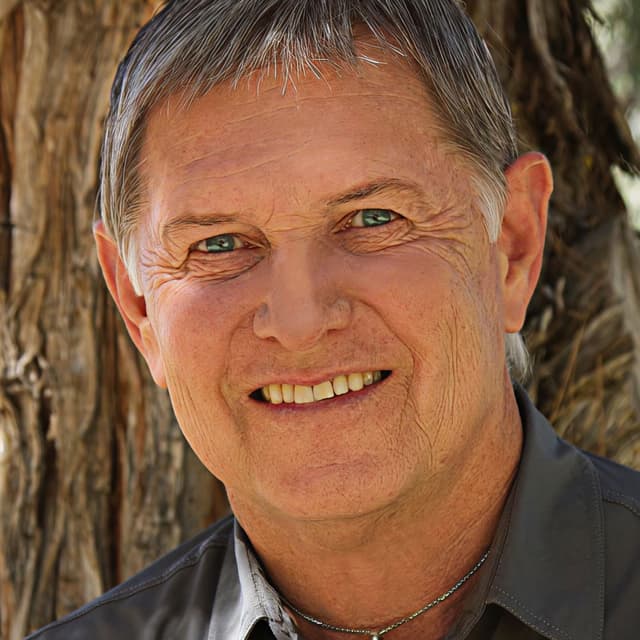
What happened next changed the trajectory of his life and eventually touched over 100,000 people across 40+ countries. Williams described words appearing in his mind "like on a teleprompter"—instructions for a process of belief change he'd never conceived of before. He ran inside and transcribed what he was receiving. This became the first PSYCH-K process, the Core Belief Balance, downloaded (as he always described it) from Divine Intelligence.