


Hypnotherapy
Hypnotherapy bypasses the critical mind to access the subconscious realm where deep healing and rapid transformation occur through therapeutic trance states.
Overview
Hypnotherapy represents a sophisticated therapeutic approach that practitioners describe as accessing the mind's natural capacity for profound change through "subconscious reprogramming." From the practitioner perspective, hypnotherapy works by guiding clients into alpha or theta brain wave states—those dreamy moments between wakefulness and sleep where the subconscious becomes extraordinarily receptive to positive suggestions.
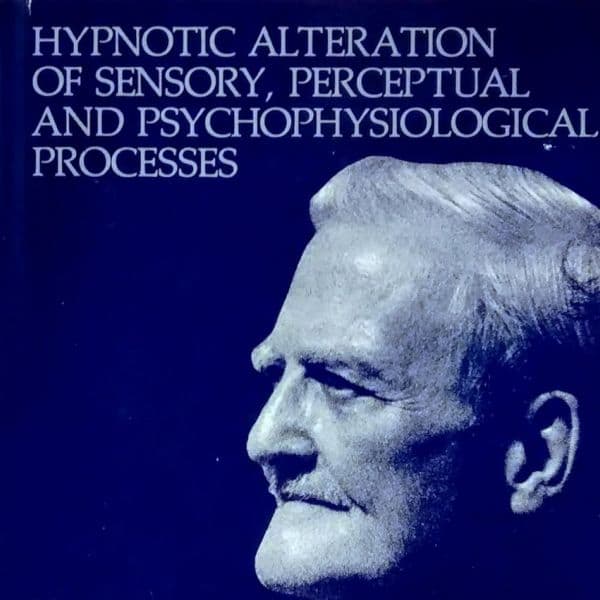
Dave Elman, whose rapid induction techniques revolutionized the field, defined the process as "bypassing the critical factor"—creating direct access to the mental programming that drives automatic behaviors and emotional responses. Milton Erickson's revolutionary approach emphasized working with each client's unique inner resources through indirect suggestions, metaphors, and storytelling, allowing the unconscious mind to discover its own healing solutions. This client-centered philosophy now underlies most modern hypnotherapy training.
The healing community describes hypnotherapy as applicable across an extraordinary range of conditions—from anxiety, depression, trauma, and chronic pain to habit change, performance enhancement, and spiritual exploration. Many clients experience rapid results that would take months or years through traditional therapy alone. Professional hypnotherapists complete 200-300 hours of basic training through organizations like the National Guild of Hypnotists or American Society of Clinical Hypnosis, with advanced practitioners undergoing 720-1,440 hours of education.
What distinguishes hypnotherapy in the healing community is its empowerment philosophy: practitioners emphasize that clients remain conscious and in control throughout sessions, with the therapeutic relationship focusing on facilitating access to inner healing resources rather than imposing external fixes.
Modern research validates this approach, with meta-analyses showing significant efficacy for anxiety (79% of participants achieving greater improvement than controls), pain management, and habit change, with effect sizes indicating large therapeutic benefits and minimal adverse effects when practiced by trained professionals.

From the practitioner perspective, hypnotherapy operates through scientifically validated mechanisms. During hypnotic trance, brain imaging shows decreased activity in the default mode network (reducing self-critical thinking) and increased connectivity between regions that facilitate therapeutic change. This creates what practitioners call "heightened suggestibility"—enhanced ability to accept and integrate therapeutic recommendations.
Practitioners guide clients into alpha or theta brain wave states where the critical mind naturally softens, allowing therapeutic suggestions to reach the subconscious directly. The process utilizes naturally occurring trance states that everyone experiences daily through daydreaming, meditation, or deep focus—hypnotherapy simply directs these states therapeutically.
Stories
See what others discovered through Hypnotherapy—real stories, real insights.
Do you have a healing story with Hypnotherapy?
A Typical Session
A typical hypnotherapy session begins with consultation to establish therapeutic goals and build rapport, followed by relaxation induction that guides clients into focused trance states resembling the moments just before sleep. Practitioners use various induction techniques—some employ progressive muscle relaxation and countdown methods, while others use rapid techniques developed by Dave Elman that achieve therapeutic depth within minutes.
During the therapeutic phase, practitioners may use direct suggestion for habit change, metaphorical storytelling for deeper psychological healing, or regression techniques to explore past experiences affecting current patterns. Clients remain conscious throughout, maintaining awareness of the practitioner's voice while experiencing profound relaxation, time distortion, and enhanced imagery. The experience feels dreamlike yet controlled, with many reporting the deepest relaxation of their lives.
Sessions conclude with gradual emergence bringing clients back to normal consciousness, often followed by discussion of insights or experiences. Most clients remember the entire session unless specific amnesia techniques are used therapeutically, and they report feeling refreshed, peaceful, and optimistic about their therapeutic goals. Initial sessions typically last 90 minutes to establish goals and rapport, while subsequent sessions are usually 60 minutes focused on specific therapeutic work.

Practitioners recommend arriving well-rested, wearing comfortable clothing, and avoiding caffeine before sessions. Mental preparation involves setting clear intentions for what you hope to accomplish while maintaining open-mindedness about the process. Many practitioners suggest eating a light meal beforehand to prevent hunger distractions without being overly full.
The healing community emphasizes approaching hypnotherapy with realistic expectations—you don't need to believe in anything mystical for it to work, but resistance to the process can limit outcomes. Practitioners often address common misconceptions during initial consultations, explaining that hypnosis involves cooperation rather than surrender of control.

All things healing, here & now.
Sign up to get new inspiration, practices, and healing resources emailed to you.
Sign UpResources
Books & Tools




Websites


Articles & Media





Origins
Hypnotherapy's modern foundation traces to Franz Anton Mesmer's 18th-century "animal magnetism" in Vienna and Paris, where he achieved remarkable healing results that, despite rejection of his magnetic fluid theory, were acknowledged as real even by skeptical royal commissions. While Mesmer's theoretical framework was dismissed, his clinical successes established the psychological basis for what would become modern hypnotherapy.
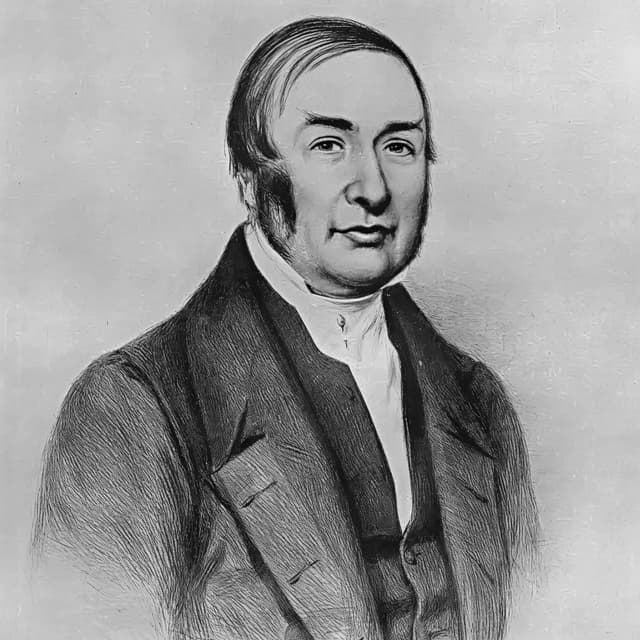
The practice evolved through significant figures who refined both theory and technique. James Braid coined the term "hypnosis" in the 1840s, moving away from magnetic theories toward neurological explanations. French physicians like Jean-Martin Charcot and Hippolyte Bernheim developed clinical applications, establishing hypnosis as a legitimate medical tool for treating hysteria and other psychological conditions.