

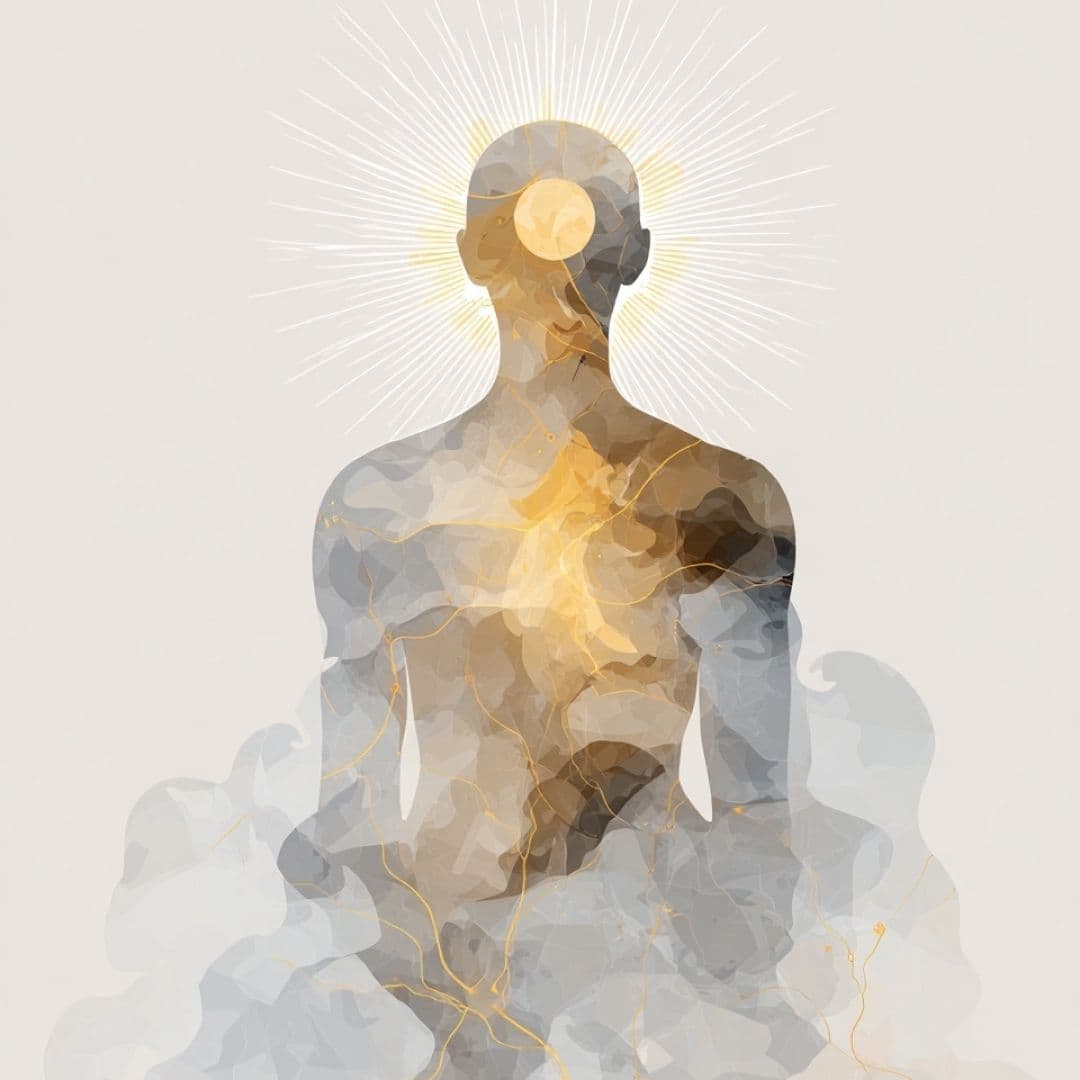
SpiritualCoaching
Spiritual coaching integrates ancient wisdom traditions with modern coaching methodologies to help clients access their inner guidance, discover their soul purpose, and create profound life transformation from the inside out.
Overview
Spiritual coaching represents a unique evolution in the healing arts that goes far beyond traditional life coaching by addressing the whole person—mind, body, and spirit. Practitioners describe their work as facilitating deep connection between clients and their inner wisdom, higher guidance, and authentic spiritual nature, operating from the foundational belief that "you have all the answers inside of you."
The philosophical foundation centers on empowering clients to think, see, and grow from a spiritual perspective. Spiritual coaches serve as skilled facilitators who create sacred containers for clients to explore deeply personal spiritual questions, release limiting beliefs through a spiritual lens, and align their daily lives with their soul's calling and higher purpose.
Practitioners distinguish their work from therapy by maintaining a forward-focused approach on growth and development while staying within clear professional boundaries about not diagnosing or treating clinical conditions.
The integration emphasizes both spiritual development and practical life improvements, with clients commonly experiencing breakthroughs in career direction, relationships, financial abundance, and overall life satisfaction as natural outcomes of inner alignment.

Spiritual coaching uniquely addresses root causes rather than symptoms by integrating the spiritual dimension into personal development work. While traditional life coaching focuses on external goals and behavioral changes, spiritual coaching facilitates profound inner transformation by helping clients connect with their higher guidance, soul purpose, and authentic spiritual nature.
Unlike therapy, which often focuses on healing past traumas, spiritual coaching remains forward-focused on growth and spiritual development while empowering clients to access their own inner wisdom rather than depending on external advice.
Unlike conventional coaching that focuses primarily on external goals and behavioral changes, spiritual coaching addresses root causes rather than symptoms, incorporating universal spiritual principles to facilitate profound inner transformation alongside practical goal achievement.
The practice draws from diverse wisdom traditions including energy healing methods (Reiki, chakra work, shamanic practices), meditation traditions (Vipassana, mindfulness, contemplative prayer), metaphysical practices (tarot, astrology, crystal healing), and various religious frameworks while respecting client beliefs and avoiding spiritual imposition.
Stories
See what others discovered through Spiritual Coaching—real stories, real insights.
Do you have a healing story with Spiritual Coaching?
A Typical Session
A spiritual coaching session usually begins by creating sacred space—through centering practices like meditation, prayer, breathwork, or gentle energy clearing. This helps both coach and client arrive fully and sets a safe, grounded container for the work.
The coach then checks in with the client: how they’re feeling in the moment, and any progress or shifts since the last session. Together, they explore current goals or challenges, not only in terms of external circumstances but also through a spiritual lens—looking at the deeper patterns, beliefs, and energies at play.
The heart of the session often involves spiritual practices tailored to the client’s needs. This may include guided meditation, visualization, energy healing, or intuitive dialogue to help access inner wisdom and create breakthroughs. Some coaches weave in supportive tools such as journaling prompts, oracle cards, or clearing techniques, depending on their training and the client’s comfort level.
Sessions typically close with integration work: helping the client make sense of the insights received and translating them into aligned action steps that bridge practical goals with spiritual guidance. Many practitioners finish with intention-setting, an affirmative prayer, or an energy blessing to “seal” the work in a supportive way.
Most sessions last 60–90 minutes, scheduled weekly or bi-weekly. Some coaches also offer intensive day-long sessions or retreat-style experiences for those seeking deeper immersion and transformation.

Prepare by creating quiet, sacred space where you won't be interrupted, gathering any requested materials like journals or water for grounding.
Set clear intentions for what you hope to explore or heal during the session, and consider meditating or engaging in spiritual practice beforehand to center yourself.
Many coaches recommend fasting from heavy foods and avoiding alcohol 24 hours before sessions to maintain energetic clarity. Approach the session with openness to spiritual guidance and willingness to explore deep personal material, understanding that profound insights may emerge.
Some practitioners suggest preparing questions about life purpose, spiritual development, or specific challenges you're facing.

All things healing, here & now.
Sign up to get new inspiration, practices, and healing resources emailed to you.
Sign UpResources
Books & Tools

Websites


Articles & Media


Origins
Spiritual coaching evolved from ancient philosophical and spiritual traditions that have guided human transformation for millennia. The roots trace back to Greek Socratic dialogue methods, Eastern contemplative practices, and indigenous wisdom traditions that emphasized accessing inner guidance and connecting with higher purpose. These ancient approaches shared the common understanding that transformation comes from within and that skilled facilitators could help others access their inherent wisdom.

The modern emergence of spiritual coaching began during the Human Potential Movement of the 1960s and 1970s, when Western culture experienced unprecedented openness to Eastern spirituality, consciousness exploration, and holistic approaches to personal development. Influential figures like Werner Erhard integrated spiritual principles with practical transformation work, creating foundational concepts that would later influence the coaching profession.